
Creative letter ideas for mothers to deepen bonds with kids
Finding real, lasting ways to connect with your child can feel harder than it should. Life gets loud. Screens take over. And the quiet moments slip by fast. But there’s something almost magical about a handwritten letter. Studies show that letters boost self-esteem and resilience in children, and even help reduce anxiety. A letter isn’t just words on paper. It’s a piece of you your child can hold, reread, and keep forever. This article walks you through creative, heartfelt letter ideas that bring you and your child closer, no matter their age.
Table of Contents
- Why handwritten letters matter for mothers and children
- Five creative letter ideas to try with your child
- How to personalize letters for different ages and personalities
- Keeping the tradition alive: Storing, sharing, and revisiting letters
- What most experts miss about the real power of creative letters
- Discover meaningful letter rituals for mothers and kids
- Frequently asked questions
Key Takeaways
| Point | Details |
|---|---|
| Build lifelong bonds | Handwritten letters from mothers help create lasting emotional connections and keepsakes for kids. |
| Tailor for your child | Customizing letters for each age and personality makes your messages more meaningful and memorable. |
| Consistency matters most | Frequent, sincere notes support your child’s resilience more than one-time grand gestures. |
| Creative formats inspire | Using prompts, artwork, and small treasures brings letters to life and encourages child engagement. |
Why handwritten letters matter for mothers and children
We live in a world of instant messages and disappearing stories. So when your child holds a real letter, written in your handwriting, it hits differently. It says: I slowed down for you. You’re worth the time.
The emotional weight of a handwritten letter is real. Letters act as emotional heirlooms, preserving family memory across generations. They’re not just sweet. They’re powerful.
“A letter from mom isn’t just a message. It’s a reminder that someone sees you, loves you, and believes in you, even on the hard days.”
Here’s what the research actually shows about letters and kids:
- Emotional validation: Seeing your love written down gives your child something concrete to return to.
- Stronger bonds: Regular written communication builds trust and openness between you and your child.
- Memory preservation: Letters become anchors for important moments in your child’s story.
- Resilience: Children who feel consistently seen and appreciated handle challenges better.
- Mental health support: Reduced anxiety and depression are linked to the kind of emotional affirmation letters provide.
And here’s the thing most moms worry about: you don’t need to be a great writer. You just need to be honest. A letter that says “I noticed how kind you were to your little brother today” is worth more than a perfectly crafted paragraph.
Building an emotional connection through snail mail is one of the simplest, most underrated tools in conscious parenting. It doesn’t require an app, a subscription, or a perfect day. Just you, a pen, and a few real thoughts.
For moms who want to go deeper, pairing letter writing with creative journaling for children can turn it into a two-way conversation your whole family will treasure.
Pro Tip: Don’t edit yourself into silence. Write the messy, imperfect version. Your child will love it more for being real.
Having set the foundation for the value of handwritten letters, let’s explore the most creative and memorable ideas for your next message.
Five creative letter ideas to try with your child
Now that you know why letters matter, dive into these original approaches that will make your child’s letter box truly special.
Here are five formats you can start using today:
-
The future letter: Write to your child as if they’re already grown. Describe who you see them becoming. What dreams do you have for them? What do you hope they remember about this season of life? Seal it and save it for a milestone birthday.
-
The memory capsule note: Pick one specific moment from the past month. Describe it in detail. The way they laughed. What they were wearing. Why it made your heart full. These small snapshots become priceless over time.
-
The compliment chain: List five things you genuinely love about your child right now. Not achievements, just them. Their curiosity. Their laugh. The way they hug. It’s simple and it lands hard.
-
The adventure story: Write a short, silly story where your child is the hero. Include their real interests, their friends, their favorite places. It doesn’t have to be long. Two paragraphs can be enough to make them feel seen.
-
The letter with a keepsake: Tuck something small inside. A pressed flower from the backyard. A photo. A sticker they’d love. The physical object makes the letter feel like a gift, not just a note.
For mother-child letter inspiration, you’ll find even more prompts and seasonal ideas to keep the tradition fresh all year.
Want to make the letters feel extra special? Add some of these creative touches:
- Washi tape borders
- Stickers that match their current obsessions
- Pressed flowers or leaves
- A small drawing, even stick figures count
- A spritz of your perfume on the paper
These little extras turn a letter into an experience. And for moms looking for thoughtful mom gifts to pair with a letter, there are some beautiful options that complement the whole ritual.
Pro Tip: Date each letter and focus on one specific trait or memory. It keeps the letter focused and makes it feel personal, not generic.
How to personalize letters for different ages and personalities
Each child is unique, so it’s important to consider age and personality when crafting your heartfelt letters.
Here’s a quick breakdown by age group:
- Toddlers (1 to 3): Keep it simple. Draw pictures. Use big, bold words. Read it aloud to them. The ritual matters more than the content at this stage.
- Young kids (4 to 8): Short sentences, bright stickers, and a silly joke or two. Reference something they love right now, a cartoon character, a game, a food.
- Tweens (9 to 12): Get a little deeper. Acknowledge their growing independence. Celebrate something specific they’ve done. Avoid anything that feels preachy.
- Teens (13 and up): Be honest and real. Skip the baby talk. Write to them like a person you deeply respect. They’ll notice, and it will mean everything.
Here’s a comparison to help you match your approach:
| Age group | Tone | Letter length | Creative additions |
|---|---|---|---|
| Toddlers | Warm, playful | 3 to 5 sentences | Drawings, stickers |
| Young kids | Fun, encouraging | 1 short paragraph | Photos, jokes |
| Tweens | Honest, affirming | 2 to 3 paragraphs | Keepsakes, pressed flowers |
| Teens | Respectful, real | 3 to 4 paragraphs | Meaningful mementos |
Beyond age, think about your child’s personality. A shy, sensitive child might treasure a quiet, tender note. A bold, energetic kid might love a letter that matches their big personality with humor and enthusiasm. Psychological studies affirm that letters tailored to a child’s emotional world have a stronger impact on self-esteem and memory.
For a first letter that feels truly special, the first letter keepsake is a beautiful place to start. It’s designed to mark the beginning of a tradition, not just a one-time gesture.
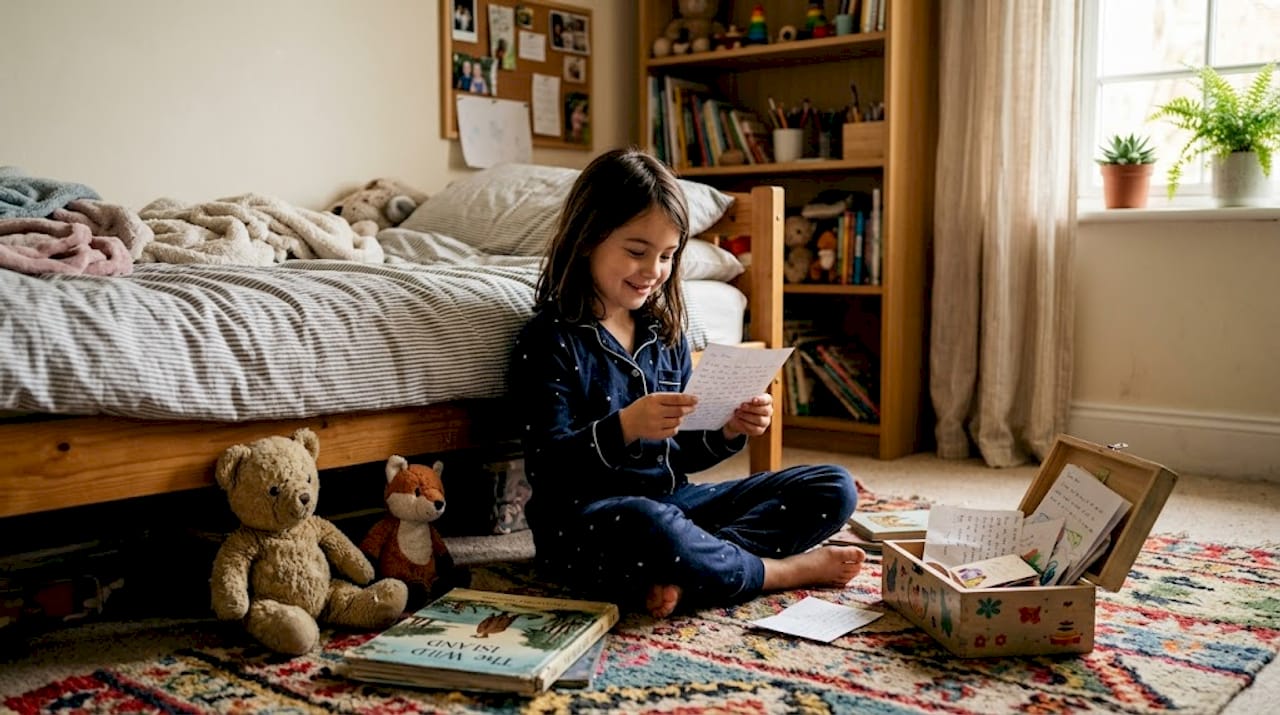
For more on bonding with young children, especially in the early years, there are some wonderful resources that pair naturally with a letter-writing practice.
Pro Tip: Let your child’s quirks lead the way. If they’re obsessed with dinosaurs, make a dinosaur the hero of their letter. If they love space, write from the moon. It shows you’re paying attention.
Keeping the tradition alive: Storing, sharing, and revisiting letters
Once you’ve written your letters, find ways to make them a living part of your family’s story.
Here are some storage ideas to get you started:
- A dedicated keepsake box, one per child
- A binder with clear sleeves to protect each letter
- A scrapbook that mixes letters with photos and mementos
- A digital backup, scan each letter so you have a copy
- A shared family album that includes letters from multiple family members
Here’s a quick look at the pros and cons of each method:
| Storage method | Pros | Cons |
|---|---|---|
| Keepsake box | Easy, tactile, personal | Can get disorganized |
| Binder with sleeves | Organized, easy to flip through | Less personal feel |
| Scrapbook | Beautiful, creative | Time-consuming to maintain |
| Digital backup | Safe from damage | Loses the tactile quality |
| Family album | Includes everyone | Requires more coordination |
Beyond storage, think about building a real ritual around your letters. Some families do an annual “letter ceremony” where they read old letters together on a birthday or New Year’s Eve. It becomes something kids actually look forward to.
Revisiting letters during milestone moments, like starting a new school, going through a hard time, or celebrating a big win, gives them a second life. Your child gets to feel your love again, at exactly the moment they need it.
Letters act as emotional heirlooms, and the way you store and share them shapes how much that legacy grows over time.
For families thinking about emotional support for families during big life transitions, letters can serve as a gentle, grounding anchor.
Pro Tip: Tuck a photo or small memento into each letter before storing it. When your child opens the box years from now, they won’t just read your words. They’ll remember the whole moment.
What most experts miss about the real power of creative letters
Most advice about letter writing focuses on making it perfect. The right paper. The right words. The right occasion. But that’s actually the wrong way to think about it.
The real power isn’t in the grand gesture. It’s in the pattern. A short note tucked into a lunchbox every Tuesday. A quick letter on a random Wednesday because you felt proud of them. These small, consistent acts add up to something enormous over time.
Your child doesn’t build resilience from one beautiful letter. They build it from knowing that you keep showing up, in writing, in small ways, again and again.
Building ongoing snail mail rituals into your family life doesn’t have to be elaborate. It just has to be real.
“It’s not how beautifully you write, but that you write.”
The letters that matter most aren’t the ones you spent an hour on. They’re the ones your child finds at the bottom of a drawer ten years from now and can’t stop reading.
Discover meaningful letter rituals for mothers and kids
If you’re ready to start or deepen your letter-writing tradition, there are dedicated spaces and resources to support your journey.
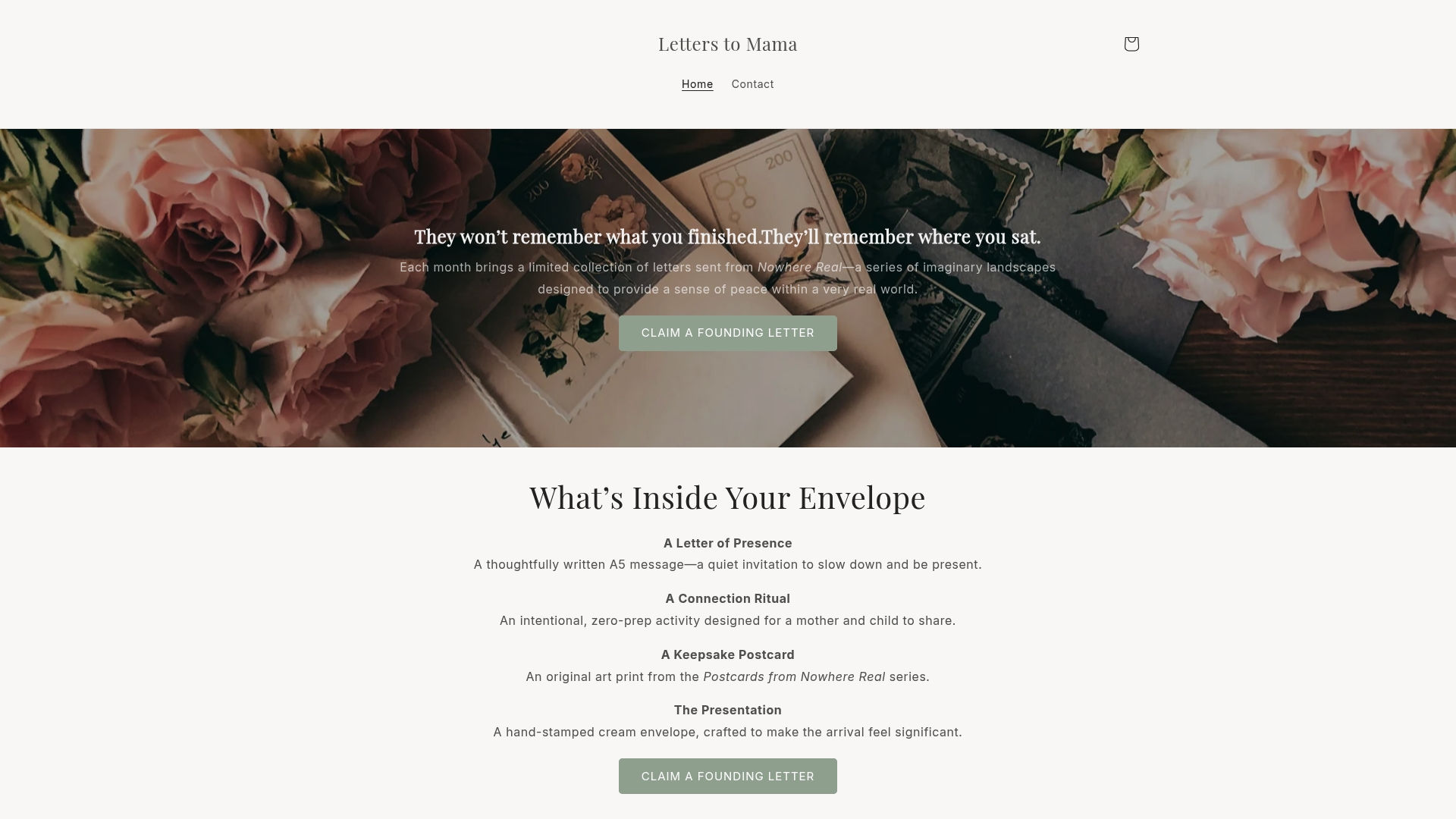
Letters to Mama is built for exactly this. It’s a space where letter writing becomes a ritual, not a task. With hand-stamped, limited-edition letters and beautifully crafted keepsakes, it gives you a tangible, meaningful way to start the tradition today. Whether you’re writing your very first letter or looking to make the practice more intentional, the Founding Letter keepsake is a perfect place to begin. It’s more than a product. It’s the start of something your child will carry with them for life.
Frequently asked questions
What should I include in a letter to my child?
Focus on one specific trait or memory you love about them right now. Keep it short, skip the lecture, and write from the heart.
How often should I write letters to my child?
Consistency matters more than frequency. Write when you feel connected, want to celebrate something, or sense your child needs support. Even a few times a year builds a powerful tradition.
Do handwritten letters really help with a child’s mental health?
Yes. Letters reduce anxiety and depression while boosting self-esteem and resilience, according to psychological research. The emotional affirmation they carry is real and lasting.
What are some creative ways to present or store letters?
Try a dedicated keepsake box, a binder with clear sleeves, or a scrapbook. Adding photos or small mementos makes each letter feel like a preserved emotional heirloom your child will treasure for years.